
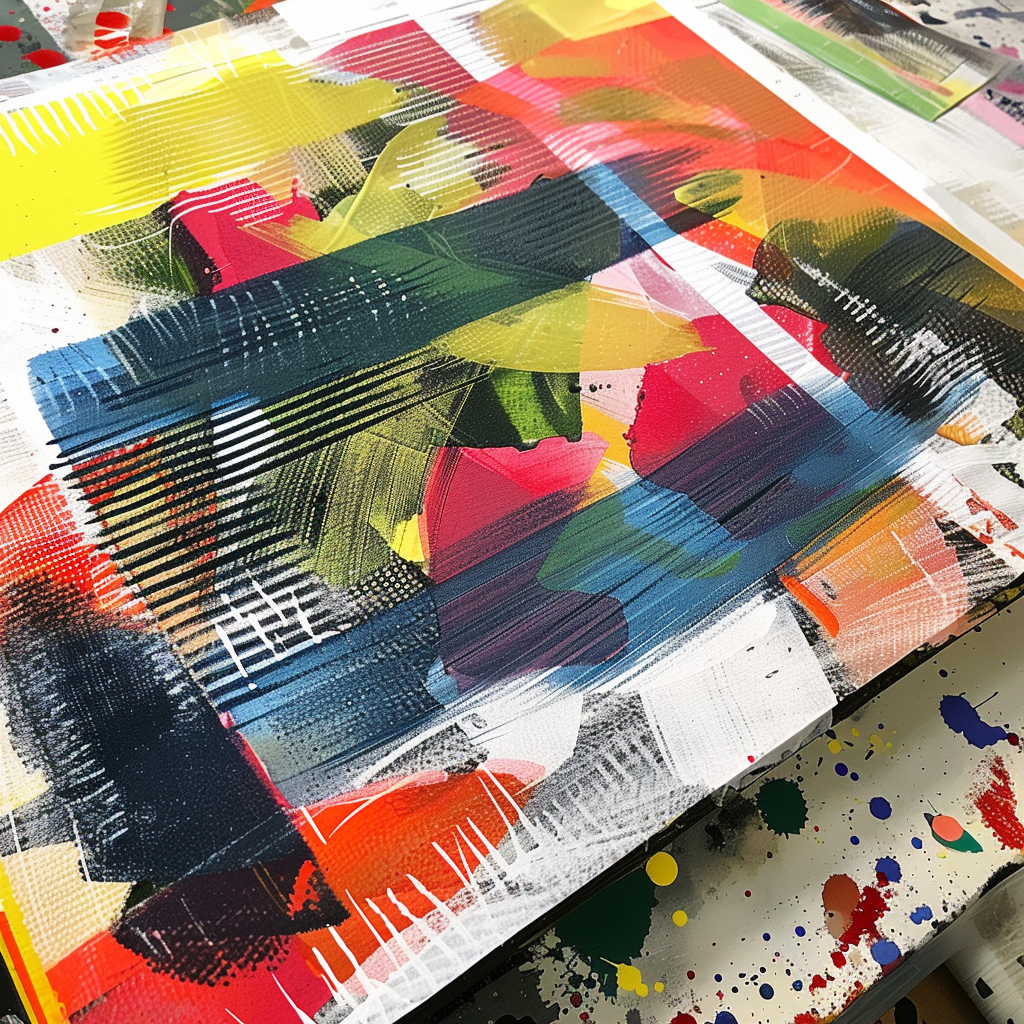
What is Screen Printing?
What is meant by the term screen printing? The art of printing on materials has produced numerous techniques over the centuries, but screen printing remains one of the oldest and most widespread methods. This technique, also known as stencil printing, has proven to be extremely versatile and effective, particularly for creating custom designs on fabrics, paper, and other surfaces. Thanks to its ability to produce vibrant and long-lasting colors, screen printing has found its place in the world of printmaking. But how exactly does this technique work, and how does it compare to the popular transfer printing method?
How Screen Printing Works
Screen printing is a printing process in which ink is pressed through a fine mesh (the stencil) onto the material being printed. The process begins with the preparation of a stretched frame with a screen fabric. This fabric is then coated with a light-sensitive emulsion and dried. The desired design is printed on a transparent film and placed on the stencil. Through exposure to light, the pattern is transferred onto the stencil, with the exposed areas of the emulsion hardening while the unexposed areas are washed away, thereby reproducing the design on the stencil itself.
During printing, the stencil is positioned on the material to be printed, and the ink is pushed through the open areas of the stencil with the help of a squeegee. This process can be repeated to print multiple colors (each color requires a different stencil). The screen printing machine allows for printing on a variety of materials, including fabrics, plastic, glass, wood, and metal. The ink is applied in a thick layer, producing a vibrant and durable print, ideal for high-quality products.
Screen Printing on Fabrics

Screen printing is particularly used in the field of fabrics. T-shirts, sweatshirts, bags, and other clothing items are often printed using this technique. The reason lies in screen printing’s ability to produce vibrant and durable colors that do not fade even after numerous washes. Have you ever wondered how screen printing works on T-shirts? The process begins with selecting the appropriate fabric and creating the design to be transferred onto the garment.
During fabric printing, the prepared stencil is placed on the garment, and the ink is pushed through the stencil onto the fabric. The ink penetrates the fibers of the fabric and bonds with them, producing a durable and long-lasting print. Multicolor designs require several passes, as—just mentioned—each color needs a different stencil. This process allows for printing complex and detailed patterns, recognized for their clarity and durability.
Another advantage of screen printing on fabrics is the ability to create various effects, such as glitter effects, metallic colors, or even three-dimensional prints. This offers designers and companies great creative freedom and the opportunity to create unique and eye-catching products. Screen printing is therefore a preferred choice for merchandise items, sportswear, and fashion.
Which Technique is Better: Screen Printing or Transfer Printing?
The choice between screen printing and transfer printing depends on various factors, including the type of project, the material, and the desired outcome. Both techniques have their advantages and disadvantages to consider.
Screen printing is renowned for its durability and ability to produce vibrant colors that do not fade. Industrial screen printing is ideal for large runs and for prints on fabrics that need frequent washing. However, screen printing is generally more complex and costly, especially for multicolor designs, as each color requires a separate stencil. Transfer printing, on the other hand, is a method where the design is first printed onto a special paper and then transferred onto the fabric using heat and pressure. This technique is simpler and less expensive for small runs and multicolor designs. Transfer printing also allows for printing photorealistic images, which is more difficult to achieve with screen printing. However, it tends to be less durable and can deteriorate after several washes.
In conclusion, screen printing is the best choice for long-lasting and high-quality prints on fabrics, particularly for large runs and simple designs. Transfer printing is ideal for small runs, complex, multicolor, and photorealistic designs. The choice between the two techniques should therefore be based on the specific requirements of the project.