What are the main printing techniques?
In the world of printing, there are several techniques, each with its unique advantages and specific applications. Whether it’s commercial printing, the textile industry, or creative projects, understanding the different printing techniques is essential for achieving best results. This article highlights the main printing techniques, including offset, digital, screen printing, and flexography, and examines how they are used in various sectors, including creative printing and fabric printing.
Offset Printing: Precision and Efficiency
Offset printing is one of the most commonly used printing techniques, especially for large-scale jobs. This technique involves transferring the image to be printed onto an aluminum plate, which is then transferred onto a rubber cylinder before being printed onto paper. This indirect method allows for high-quality printing and exceptional clarity. Offset printing is ideal for mass production of newspapers, magazines, brochures, and packaging, as it is cost-effective and ensures consistent quality.
Another advantage of offset printing is its ability to work on various types and sizes of paper. The use of CMYK colors (cyan, magenta, yellow, and black) allows for a wide range of shades and tones, producing detailed and vibrant designs. Although startup costs can be high, the efficiency of offset printing makes it the preferred choice for large runs where precision is essential. This is why this technique is also used for some artistic applications.
Digital Printing: Flexibility and Speed
Digital printing has gained popularity in recent years due to its flexibility and quick turnaround times. Unlike offset printing, the image is transferred directly from a digital source to the printing material, without the need for a physical plate. This reduces startup costs and allows for cost-effective printing of small runs. Digital printing is particularly suited for custom prints, small series, and jobs that require quick delivery. Another advantage is the ability to print variable data. This means that each printed copy can be different, which is particularly useful for direct mail and personalized marketing materials. Digital printing also offers excellent quality, especially for reproducing complex images and graphics. This technique is ideal for a variety of applications, from business cards and flyers to posters and books.
Screen Printing: Creative Applications and Textile Printing

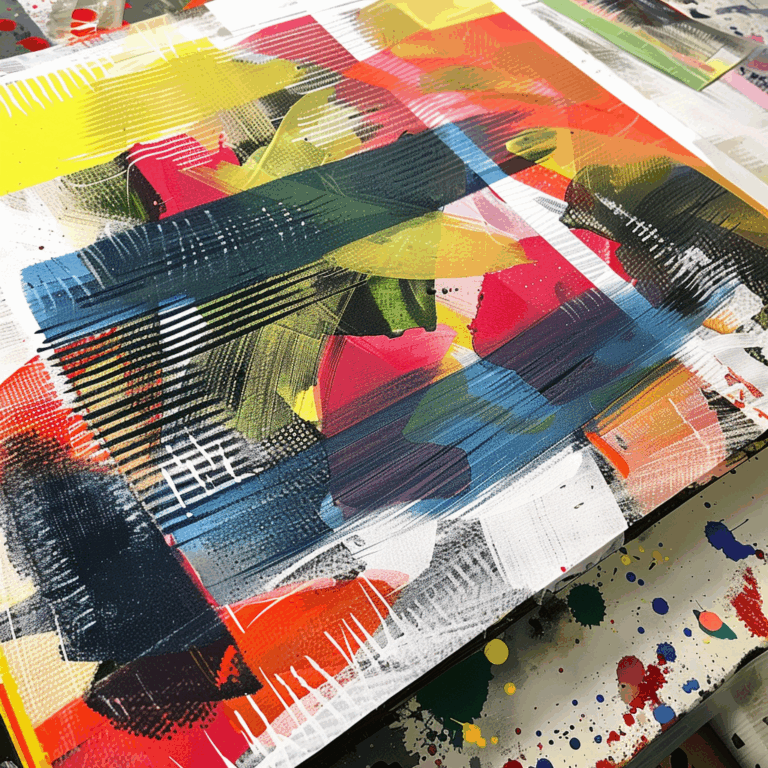
Screen printing, also known as stencil printing, is a versatile printing technique often used for creative projects and textile printing. This technique involves pressing ink through a fine mesh (the stencil) onto the material being printed. Screen printing allows for the production of vibrant and durable colors that do not easily fade, making it ideal for T-shirts, bags, posters, and other products that require high durability. Screen printing is particularly appealing for creative projects, as it allows for a variety of effects, including glitter effects, metallic colors, and three-dimensional prints.
As a printing process, it offers designers and artists great freedom and the opportunity to create unique and eye-catching products, making it one of the most popular printing techniques in the artistic field. In fabric printing, screen printing allows for detailed and durable patterns that maintain their clarity even after numerous washes. Due to its versatility and durability, screen printing remains the selected choice for individual and creative projects.
Flexography: Versatility in the Packaging Industry
Flexography is another important printing technique widely used in the packaging industry. It utilizes flexible printing plates made of rubber or plastic, which are coated with fast-drying ink. Flexography is particularly effective for printing on materials such as cardboard, plastic films, labels, and paper. One of the major advantages of flexography is its versatility in using different substrates and its ability to achieve high printing speeds.
Flexography is particularly effective for large-scale printing jobs and is ideal for producing both functional and aesthetic packaging. This technique offers good print quality and can reproduce simple patterns as well as more complex designs. Additionally, flexography allows for the use of eco-friendly inks and materials, making it an environmentally friendly choice for many companies.