
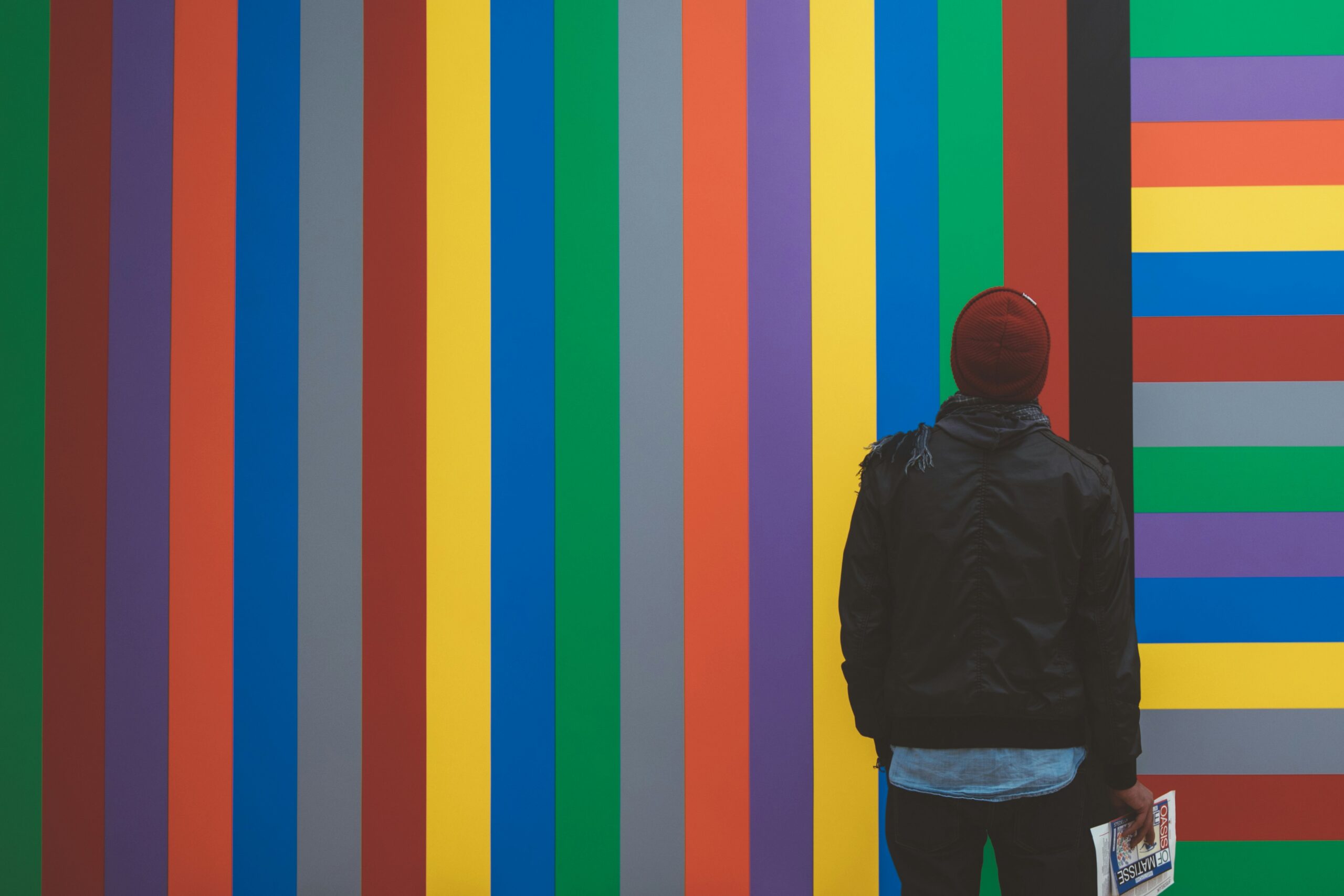
Psychology of Colors: A Journey Through the World of Colors and Their Meanings
The psychology of colors is a fascinating field that encompasses the analysis of the meanings and emotions associated with various hues. Colors have an extraordinary ability to influence our mood, alter the perception of objects and situations, and even guide our decisions. In this article, we examine the importance of color psychology in various contexts, from visual communication to marketing. In particular, we will focus on the colors red and green to understand how they can be used strategically to evoke specific emotions. Finally, we will present some successful examples of applying color psychology in visual communication.
The Meaning of the Color Red
Red is one of the most intense and striking colors, with a powerful emotional impact. In psychology, red is associated with a multitude of meanings, including love, passion, energy, and strength. However, it can also evoke feelings of anger, violence, and danger. Studies have shown that red can increase heart rate and blood pressure by stimulating the sympathetic nervous system. Furthermore, red has often been used in social contexts to signal status and authority. For example, in some cultures, tribal leaders wore red garments to demonstrate their power.
In marketing, red is frequently used to grab consumers’ attention and stimulate appetite. Many fast-food brands, for example, use red in their logos and visual communication to attract customers. The choice of hues in accessories, such as bags, can also highlight certain features. On StampaSi, you will find a wide range of colors for personalized bags that can precisely create these accents.
The Meaning of the Color Green

Green, on the other hand, is very present in nature and is often associated with growth, freshness, and life. In psychology, green represents emotional and mental balance, tranquility, and serenity. Green has the ability to calm the mind and reduce stress, thereby increasing well-being. Green is also often linked to the concept of hope and rebirth, as it reminds us of nature’s renewal after winter. In color therapy, green is used to overcome fears and worries, promote concentration, and stimulate creativity.
However, it is important to note that the meaning of green can vary depending on cultural context and personal experiences. Wearing a customized green t-shirt can express a lively and open personality, particularly common among children. On StampaSi, you can choose your favorite model in green to emphasize these traits.
The Meaning of Black and White
In color psychology, white holds a unique position. White is often associated with purity, innocence, and perfection. This color symbolizes renewal and immaculateness, which is why it is traditionally used in many cultures for weddings and religious ceremonies. White can convey clarity and simplicity, making it a preferred choice in minimalist design approaches. White also has the ability to make spaces feel larger and more open, which is often utilized in interior architecture and marketing to create a sense of freshness and modernity. However, an excess of white can also be perceived as cold and distant, hence the importance of using it discerningly to create the desired emotional atmosphere.
Black, on the other hand, is a color with multiple meanings in color theory. It often represents elegance, power, and sophistication, and is therefore frequently used in fashion and design to convey a sense of luxury and exclusivity. However, black can also have negative connotations such as mourning, fear, and threat, making it a complex color. In visual communication, black is used to create contrasts and highlight other colors. It conveys authority and professionalism and is therefore preferred in many formal and commercial contexts. Despite its versatility, black should be used wisely to avoid an overwhelming or depressing impression and to achieve the desired depth and gravity.
Conclusion
In conclusion, the psychology of colors shows how much they can influence our perceptions and emotions. Red and green are just two examples of colors that provoke strong reactions and can be used strategically to convey specific messages. The successful use of color psychology in visual communication and marketing demonstrates that colors are not just aesthetic elements; they are powerful tools for influencing and shaping experiences and perceptions.